
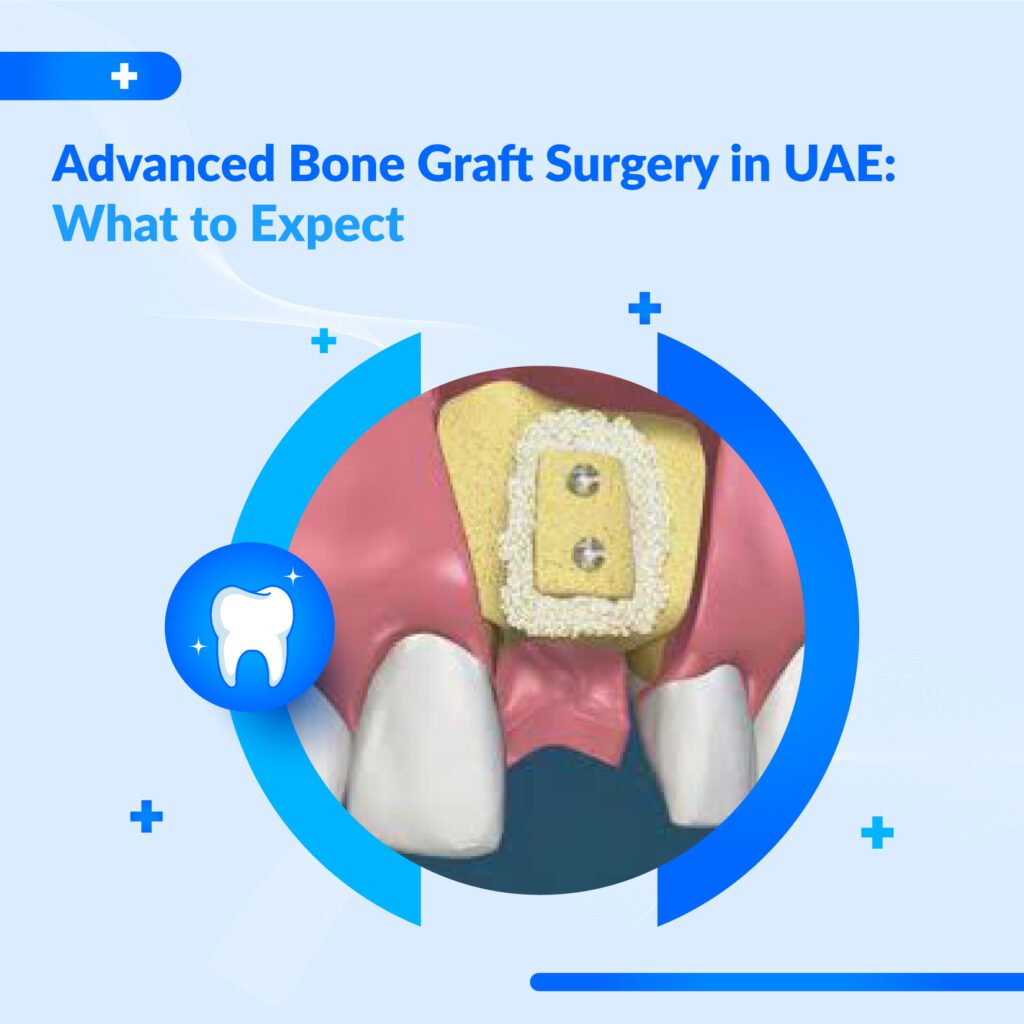
Losing a tooth is more than just a cosmetic issue. When a tooth is missing, the jawbone beneath it slowly weakens over time. This natural bone shrinkage makes it harder to place an implant later and can also affect the shape of your face and smile. Many people are surprised to learn that even if a missing tooth isn’t visible, the bone underneath continues to dissolve. To restore stability, support long-term implants, and maintain proper facial structure, advanced bone graft surgery UAE has become one of the most reliable treatment options.
Patients often assume bone grafting is complex or painful, but with modern techniques and experienced surgeons, the procedure is designed to be safe, predictable, and part of a long-term restoration plan.
What Is Dental Bone Grafting?
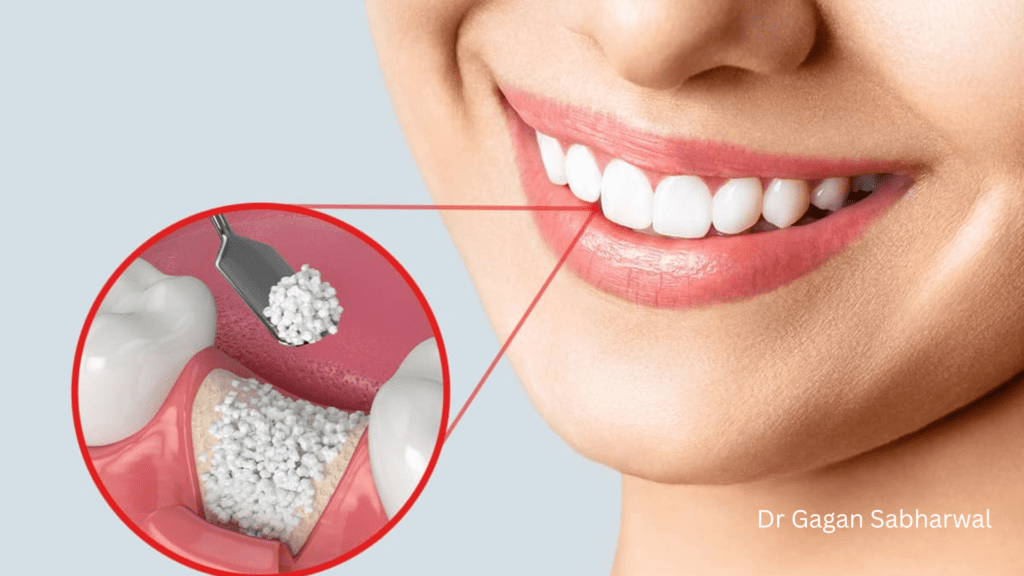
A dental bone graft UAE involves adding new bone material to areas where natural bone volume has reduced. This added material serves as a scaffold, encouraging your body to rebuild bone around it. Over time, the newly placed bone fuses with your natural jawbone and creates a stronger foundation for dental implants.
Bone grafting is not limited to implants. It is also used when teeth have been missing for many years, after extractions, or when gum disease causes bone loss.
Common scenarios where bone grafting is recommended:
- Missing tooth spaces where bone has shrunk
- Previous implant failure or infection
- Thin bone in the upper or lower jaw
- Preparation for dental implants
Why Bone Loss Happens in the First Place
The jawbone is similar to a muscle: it maintains its strength through stimulation. Natural teeth provide this stimulation when you chew. Once a tooth is gone, the body stops supplying nutrients to that part of the jaw, assuming it’s no longer needed. This results in gradual bone resorption. The longer you wait before replacing the tooth, the more bone you lose.
Bone grafting reverses this cycle by reactivating bone healing and rebuilding volume where the jaw needs it most.
How Advanced Bone Graft Surgery Helps
Modern bone grafting is not simply “adding material and waiting.” Today, advanced techniques promote faster healing and better integration. Many clinics in the UAE use specialized surgical protocols to support predictable outcomes.
Some benefits include:
- Creates sufficient bone thickness for safe implant placement
- Restores facial structure and improves overall smile aesthetics
- Stabilizes teeth if bone loss has affected neighbouring roots
- Protects the jaw from further deterioration
For patients seeking implant treatment in the future, grafting often becomes the first step toward long-term success.
Jaw Bone Restoration: How It Works
Jaw bone restoration involves encouraging your body to regenerate bone in areas that have weakened or receded. The material used in a graft may be:
- Synthetic biocompatible materials
- Donor tissue prepared for medical use
- Your own bone, usually from another site
Regardless of the type, the purpose is the same: create a healthy structure strong enough to support dental implants and prevent further shrinkage. In many cases, once the graft integrates, the new bone becomes virtually indistinguishable from the original jawbone.
Types of Bone Graft Procedures
Not every graft is the same. The right technique depends on how much bone loss has occurred and where it is located.
Socket preservation — Performed immediately after tooth extraction to prevent early bone loss.
Ridge augmentation — Used when bone width or height has decreased significantly.
Sinus lift — Recommended for the upper back jaw, where proximity to the sinus makes implant placement difficult.
Block grafting — Used when larger volumes of bone are missing and a stable block of graft material is secured in place to rebuild the ridge.
An experienced surgeon evaluates your anatomy before deciding which approach is best.
What to Expect During the Procedure
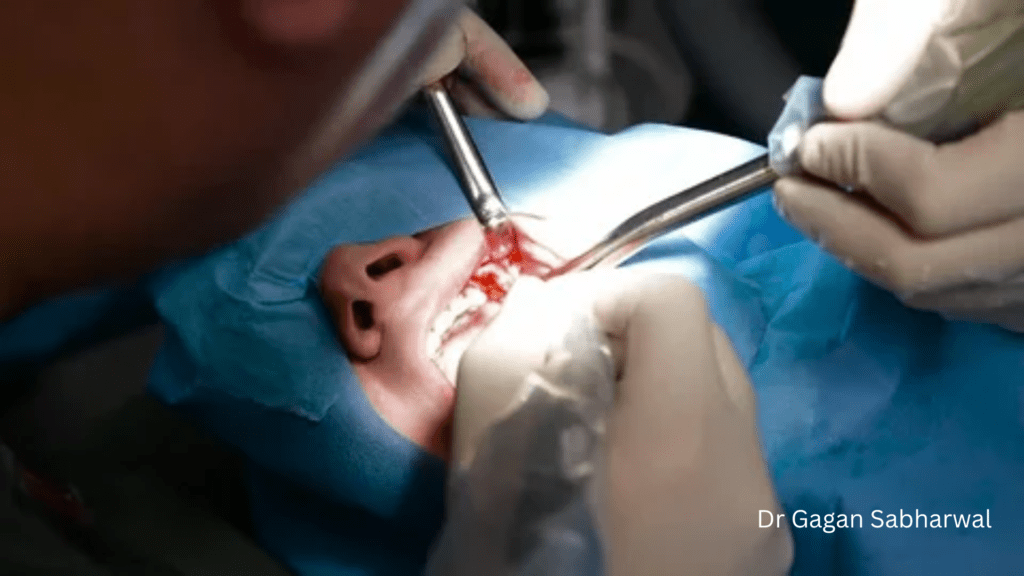
While most people imagine a complicated surgery, modern bone grafting is methodical and well-planned. Here is how the process typically works:
- Consultation and Imaging
The surgeon evaluates your jaw using scans to determine how much bone is needed and where grafting will occur. - Graft Placement
During surgery, the graft material is positioned in the targeted area and secured to encourage new bone growth. - Healing Phase
Over several months, your body gradually replaces the graft with natural bone. The exact time varies depending on the individual and the type of graft used.
Implant Placement (if planned)
Once healing is complete, the newly restored bone forms a strong foundation for implants.
Why Choosing the Right Surgeon Matters
Bone grafting may be scientifically straightforward, but the execution requires surgical expertise and an understanding of facial anatomy. Surgeons experienced in oral surgery UAE perform detailed planning to protect nerves, sinus cavities, and natural structures. Their role is not only to place the graft, but to ensure that long-term results such as implant stability, bite function, and aesthetics are preserved.
A Strong Foundation for Your Smile
Advanced bone grafting provides stability, restores natural facial contours, and makes future implant treatments reliable and predictable. If you’re dealing with bone loss or preparing for dental implants and want a long-term solution, this procedure can rebuild what time has taken away. To understand whether this treatment is suitable for you, schedule a consultation with Dr. Gagan Sabharwal.
FAQ: Advanced Bone Graft Surgery in UAE
1. What is advanced bone graft surgery in the UAE and why is it needed?
Advanced bone graft surgery in the UAE restores lost jawbone by adding new bone material to areas where bone has weakened. This procedure rebuilds bone volume, supports dental implants, and helps maintain natural facial structure after tooth loss.
2. How does a dental bone graft in the UAE help with implant success?
A dental bone graft UAE creates a stable foundation for implants by regenerating bone where it has shrunk over time. The added bone integrates with your natural jaw, making implant placement safer, more accurate, and long-lasting.
3. What is jaw bone restoration and how does it work?
Jaw bone restoration rebuilds areas of the jaw that have lost density due to missing teeth, gum disease, or previous infections. Surgeons use biocompatible graft materials that encourage the body to regenerate strong, healthy bone suitable for implants or structural support.
4. Who needs bone grafting before dental implants?
Bone grafting is recommended when the jaw lacks enough height or width to hold an implant securely. Patients with long-term tooth loss, thin jawbone, previous implant failure, or sinus proximity often require grafting to achieve predictable implant success.
5. Is bone graft surgery painful or difficult to recover from?
Most patients experience minimal discomfort because advanced bone graft procedures are precise and minimally invasive. Healing typically takes a few months as the graft integrates, and most people return to normal activities within a few days.

