
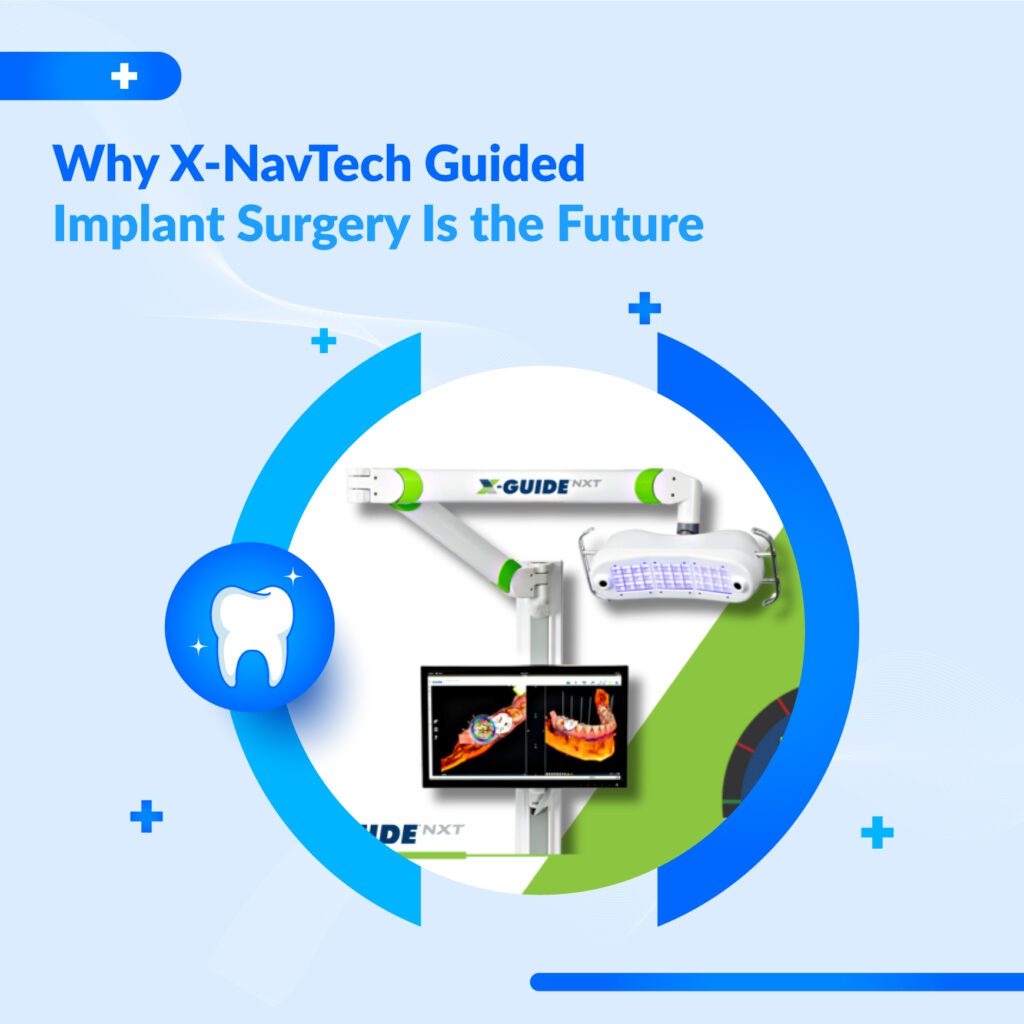
Dental implants have transformed the way we restore missing teeth, but one question remains on every patient’s mind: How accurate is the placement? Implant success isn’t only about strong materials or good crowns… it begins with the exact angulation, depth, and position at the time of surgery. Even the smallest deviation can affect aesthetics, bone integration, and long-term function. This is why modern implant dentistry now relies on a different level of precision. One technology leading that shift is X-NavTech implant navigation, a system designed to guide every surgical movement in real time.
Instead of asking patients to “trust the surgeon’s experience,” it provides surgeons live digital feedback, like a GPS for the jaw. The result is a smoother procedure, a more predictable outcome, and a level of accuracy that traditional methods cannot match.
The Problem With Traditional Implant Placement
For decades, implants were placed either freehand or using a static surgical guide. Freehand relies entirely on the surgeon’s visual judgement and skill. Static guides involve pre-printed templates, but they are fixed and cannot adjust mid-procedure. Neither approach can compensate for variables that show up once the drill enters the bone. If resistance changes or tissue shifts, the path cannot be corrected in real time. This can lead to subtle angulation issues, compromised stability, or incorrect positioning relative to nerves or the sinus.
With modern patient expectations in Dubai where aesthetics, bite comfort, and long-term predictability matter, these limitations are hard to ignore.
What X-NavTech Guided Implant Surgery Actually Does
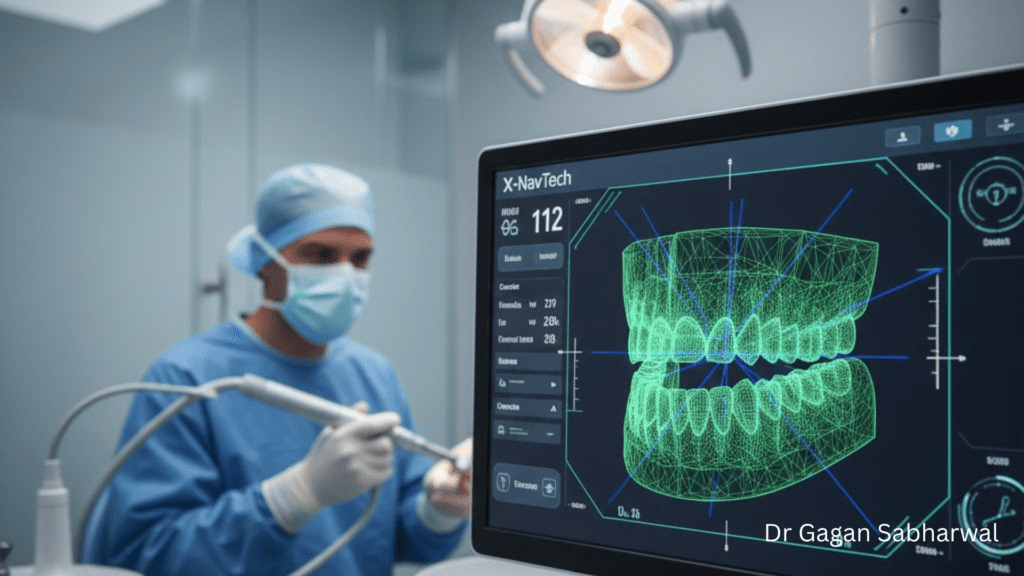
The term dynamic navigation system describes how this technology works. Instead of giving the surgeon only pre-planned coordinates, it provides live 3D tracking of the drill as the implant is being placed. Think of it as a surgical map that updates with every movement.
With X-NavTech guided implant surgery:
- The drill tip is monitored live
- The surgeon sees the planned depth and angle
- Adjustments are made instantly, not afterward
- Accuracy is measured millimetre-by-millimetre
The system continuously compares the plan with the current drill location, making sure the implant travels exactly where it should. Instead of “hoping” the outcome matches the plan, the surgeon sees it happening in real time.
Why Patients in Dubai Prefer Guided Implant Surgery
Across advanced clinics, guided implant surgery Dubai has become a major reason why patients feel confident choosing implants. The benefits are simple and practical:
Better accuracy
Implants sit deeper inside bone, not just in a visible crown. When the angle is correct from day one, integration is stronger and complications are less likely.
Aesthetic predictability
For front teeth, millimetres matter. Guided navigation helps ensure a natural line, proper gum support, and a symmetrical smile.
More comfort
Precise drilling respects nerves, soft tissue, and bone density. This often results in smoother healing.
Less surgical guesswork
Even highly experienced surgeons benefit from technology that confirms their decisions in real time.
Why Dynamic Navigation Is Different From Static Guides
Static guides are printed from a digital scan and placed in your mouth like a physical template. They are useful, but they have one major weakness: they cannot adapt if something changes during surgery. Bone density, micro-movement, or unexpected resistance may require a different angle. The guide cannot adjust.
A dynamic navigation system is not static. It continuously monitors the surgeon’s hand, the drill axis, and the target. If the drill drifts even half a millimetre, the system corrects the direction visually. This is the difference between a printed map and a real-time GPS.
When Navigation Becomes Essential
Navigation isn’t “just for complex cases.” It is beneficial in many everyday situations where precision matters, including:
- Narrow jawbone areas
- Upper jaw regions near the sinus
- Front-tooth replacements
- Revision surgeries
- Implant placement after long-term tooth loss
Even in routine cases, better positioning creates a stronger foundation for the final crown and long-term bite harmony. The more precisely the implant mimics a natural tooth root, the less compromise is needed later.
The Role of Technology in Modern Implant Dentistry
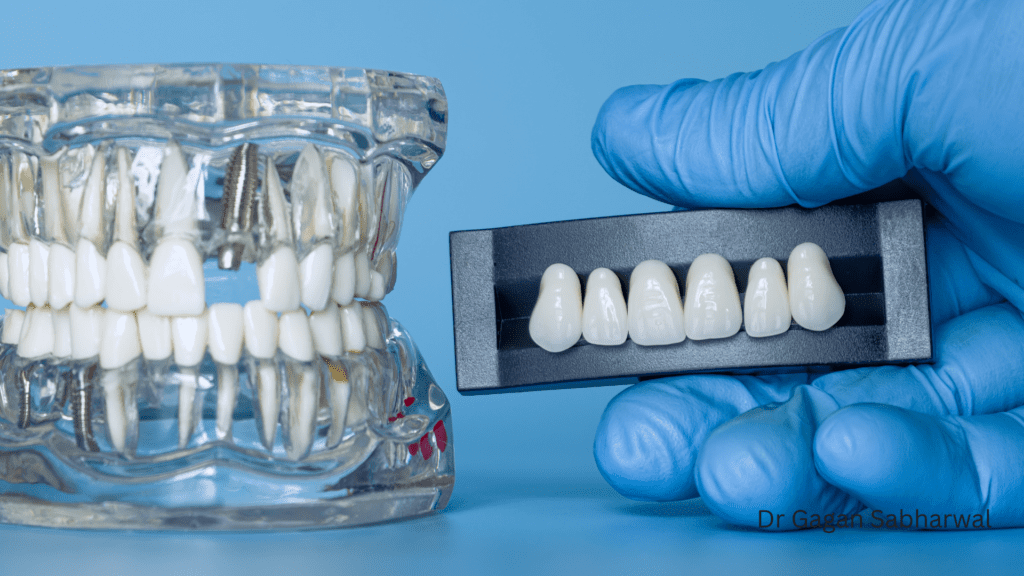
There is a misconception that dental implant technology replaces clinical skill. In reality, it amplifies it. The surgeon still evaluates anatomy, designs the treatment plan, and understands bone biology. What technology does is remove uncertainty during execution. Instead of relying on intuition in a blind space, navigation makes every movement intentional.
This becomes especially important when you consider how implants age. Implants that begin in a predictable angulation tend to distribute chewing forces better and age more gracefully. Small errors at placement may only appear years later in gum recession, bone stress, or crown complications. Navigation reduces those risks from the start.
Why The Future Belongs to Navigation
As expectations rise, implant dentistry cannot rely on “good enough” placement. Patients in Dubai want long-term comfort, perfect integration, and an implant that feels like a natural tooth. Technologies like X-NavTech implant navigation and dynamic guidance give surgeons the tools to deliver this consistently.
This shift mirrors what happened in aviation and medicine: once real-time navigation became the standard, professionals never went back to guesswork. Implant dentistry is moving in the same direction.
Final Thoughts
Guided implant surgery is not a trend, it is a smarter way to protect bone, preserve aesthetics, and deliver predictable results from day one. Real-time navigation brings clarity to a procedure that once relied on estimation and assumptions. If you want to explore whether this approach is right for your implant treatment, schedule a consultation with Dr. Gagan Sabharwal.
FAQ: X-NavTech Guided Implant Surgery & Dynamic Navigation
1. What is X-NavTech implant navigation and how does it improve implant accuracy?
X-NavTech implant navigation is a dynamic 3D guidance system that tracks the drill in real time during surgery. It helps surgeons place implants with millimetre-level precision, improving angulation, depth, and long-term stability compared to freehand or static guides.
2. How does guided implant surgery in Dubai benefit patients?
Guided implant surgery in Dubai offers higher accuracy, improved aesthetics, safer placement near nerves or sinuses, and smoother recovery. Because the implant is positioned exactly as planned, patients experience better long-term integration and more predictable cosmetic outcomes.
3. What makes a dynamic navigation system different from a static surgical guide?
A static guide is a fixed template that cannot adjust during surgery. A dynamic navigation system updates in real time, showing the drill’s position and angle instantly. This allows the surgeon to make corrections on the spot, reducing placement errors and improving implant alignment.
4. When is X-NavTech guided implant surgery most recommended?
X-NavTech guided implant surgery is ideal for narrow bone, front-tooth implants, sinus-adjacent areas, revision surgeries, and any case where precision is critical. It ensures implants mimic natural tooth roots, supporting better crowns and long-term bite function.
5. Does dental implant technology replace the surgeon’s skill?
No. Advanced dental implant technology enhances—not replaces—clinical expertise. The surgeon still plans the treatment and evaluates anatomy; the navigation system simply removes guesswork by guiding each movement with real-time visual accuracy.

