
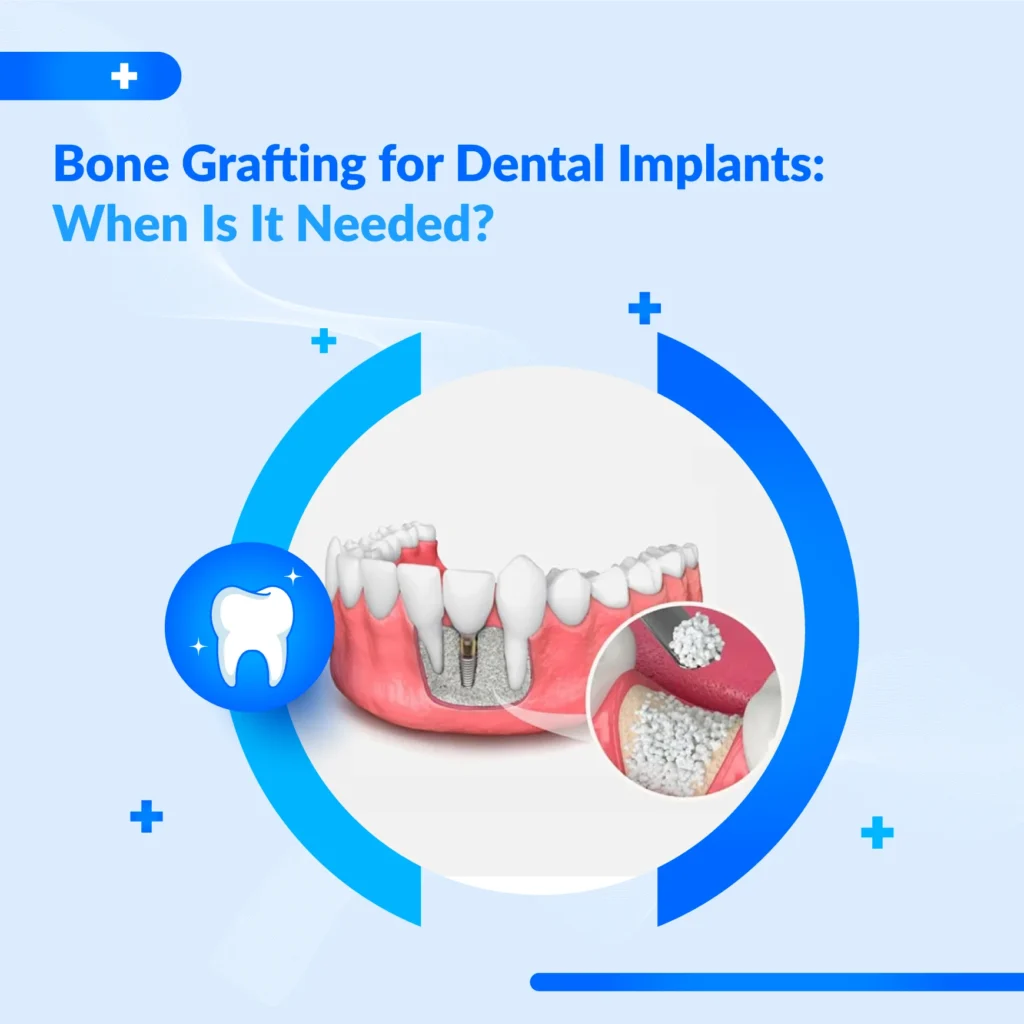
Many patients want dental implants immediately after losing a tooth. However, not everyone has an adequate jawbone to support an implant safely.
When a tooth is missing, the bone slowly shrinks. In fact, studies show up to 25% bone loss happens within the first year. .
This is where Bone Grafting for Dental Implants becomes important. It rebuilds lost bone and makes your mouth ready for long-lasting implant success.
At Dr. Gagan Sabharwal’s clinic in Dubai , advanced digital planning determines whether grafting is mandatory before implant placement.
In this blog, you will learn:
- Why bone disappears after tooth loss
- When grafting becomes imperative
- What a sinus augmentation process is
- How healing works
- What to expect during recovery
What Is Bone Grafting for Dental Implants?
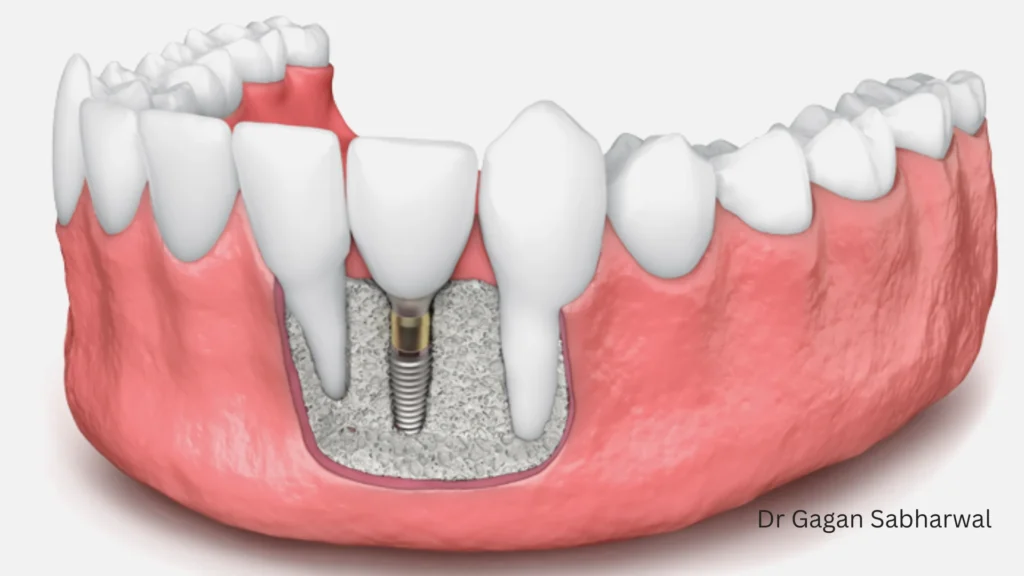
Bone grafting restores missing or weak jawbone using natural or synthetic graft material.
Dental implants need strong bones because they proxy for artificial roots. Without support, implants may loosen or fail.
Common graft sources include:
- Your own bone
- Donor bone material
- Synthetic biocompatible substitutes
This forms the foundation for stable, permanent implants.
Why Bone Loss Occurs
Bone naturally stays healthy when teeth employ pressure during chewing.
Once a tooth is lost, stimulation stops and bone begins shrinking.
Main Causes
- Tooth extraction
- Gum disease
- Injury or trauma
- Long-term missing teeth
Early treatment prevents extreme shrinkage.
When Is Bone Grafting Needed?
Your surgeon evaluates bone using 3D CBCT scans.
Grafting is advised when:
- Jawbone is too thin
- Sinus sits too close to upper jaw
- Tooth missing for many years
- Previous implant failed
This guarantees implants stay secure for decades.
Types of Bone Grafting Procedures
1. Minor Ridge Graft
Small flaws corrected during implant placement.
2. Block Bone Graft
Utilised for significant bone loss requiring structural rebuilding.
3. Sinus Augmentation Procedure
Raises the sinus floor and adds bone in the upper back jaw.
4. Socket Preservation
Performed immediately after extraction to avert bone shrinkage.
These procedures fall under Advanced Bone Graft Surgery UAE techniques.
Pros of Bone Grafting
Functional Benefits
- Strong implant support
- Improved chewing power
- Better bite balance
Long-Term Benefits
- Prevents facial collapse
- Protects adjacent teeth
- Upgrades implant lifespan
Aesthetic Benefits
- Natural gum contour
- Better smile appearance
Step-by-Step Procedure
- 3D Digital Scan
Maps bone thickness accurately. - Treatment Planning
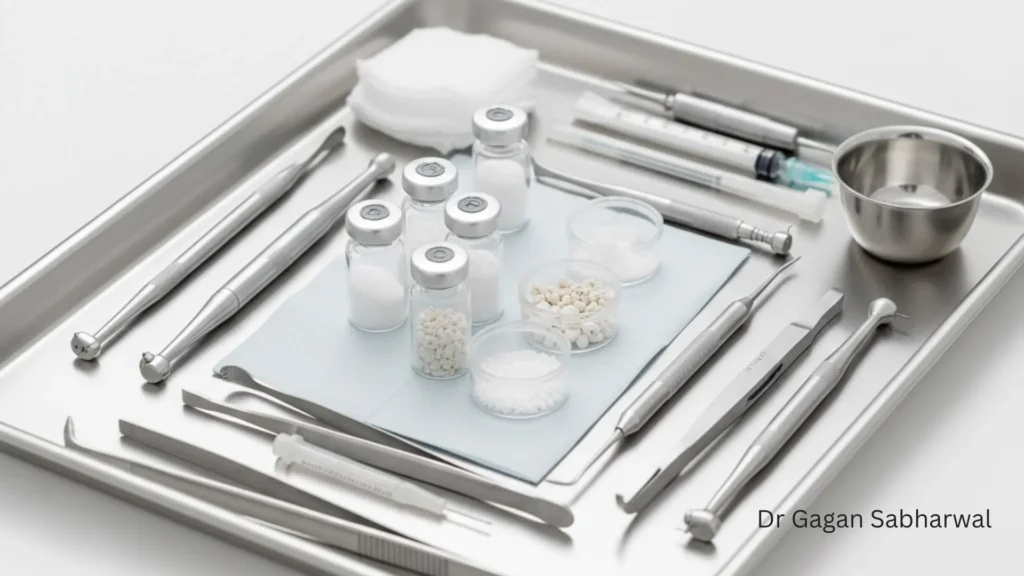
Implant and graft positioned digitally. - Graft Placement
Bone material inserted carefully. - Healing Phase
Bone integrates over 3-4 months. - Implant Placement
A solid foundation ensures long-term success.
Case Example
A 49-year-old Dubai patient lost a molar years ago. Bone shrank considerably near the sinus.
Dr. Gagan Sabharwal performed a sinus augmentation procedure followed by implant placement.
The implant healed commendably and restored full chewing function.
The patient a
Why Opt for Dr. Gagan Sabharwal
Dr. Gagan Sabharwal is a well-known and trusted Bone Grafting Specialist in Dubai with expertise in complex implant reconstruction.
His approach includes:
- Digital CBCT planning
- Precision surgical techniques
- Patient-focused care
Patients across UAE select him for predictable implant outcomes.
Conclusion
Dental implants depend on a strong and secure foundation. Without sufficient bone, long-term success becomes uncertain.
Bone Grafting for Dental Implants rebuilds that foundation safely and predictably using contemporary surgical methods.
Whether you need an effortless graft or advanced reconstruction, proper planning ensures natural-looking results.
If you are considering implants, don’t estimate bone health.
Book a consultation with Dr. Gagan Sabharwal now and discover the safest path to restoring your smile in Dubai.
voided dentures entirely.

