
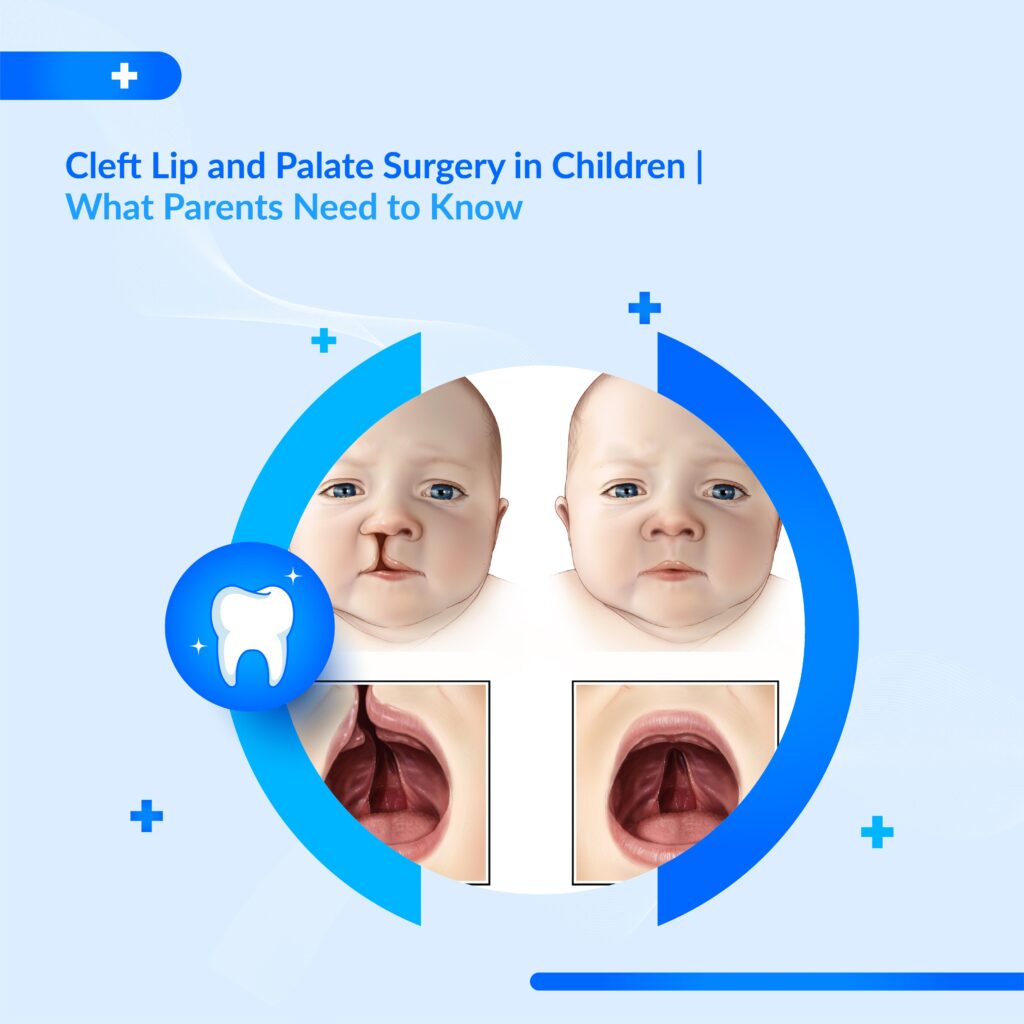
A cleft lip or palate is a common birth condition. It affects thousands of children worldwide. These conditions happen when the baby’s lip or mouth does not form properly during pregnancy. The result is a visible gap or split. Cleft lip and cleft palate may emerge separately or together. Both can cause feeding, speech, and breathing challenges if untreated.
What Is a Cleft Lip and Palate?
- A cleft lip is a split in the upper lip.
- A cleft palate is a gap in the roof of the mouth.
- They occur early in pregnancy, often before week 10.
- Causes include genetics, nutritional deficiencies, and unknown factors.
Children with clefts may struggle to suckle, eat, speak, and sometimes hear audibly. Early treatment is vital.
Why Early Surgery Matters
Leaving cleft conditions untreated can create permanent complications. Early cleft surgery for kids helps:
- Improve feeding and nutrition
- Support clear speech development
- Prevent ear infections and hearing loss
- Encourage healthy facial growth
- Boost a child’s confidence and social comfort
According to WHO, timely cleft treatment majorly improves quality of life.
Common Questions Parents Ask
Is cleft lip surgery painful?
- Surgery is done under anesthesia. Children feel absolutely no pain during the procedure.
Will my child look and talk normally?
- With proper treatment, children can speak and resemble their peers.
How many surgeries are needed?
- Often 2 to 3 over several years, depending on gravity.
Is cleft palate treatment available in Dubai?
- Yes, several top clinics, including Dr Gagan Sabharwal ’s, offer specialized cleft care.
What to Expect During Surgery
Cleft lip surgery is almost always done around 3 to 6 months of age. Cleft palate repair often follows between 9 to 12 months.
The process includes:
- Pre-surgery scans and evaluations
- Surgical restoration under general anesthesia
- Monitoring for speech, dental, and ear development
The goal is to certify the child eats, speaks, and grows like other children.
Why Choose Dr. Gagan Sabharwal in the UAE
Dr. Gagan Sabharwal is a renowned cleft and craniofacial surgeon practicing in Dubai. His experience includes:
- Over a decade of cleft surgeries
- Pediatric proficiency and advanced technology
- Compassionate care for children and families
He leads a multidisciplinary team that contains:
- ENT specialists
- Speech therapists
- Orthodontists
- Child psychologists
Real Patient Story
One child, born with a severe cleft in Sharjah, was treated by Dr. Sabharwal’s team. After surgery and therapy, the child presently eats normally, speaks clearly, and smiles confidently.
Preparing for Surgery
Parents should:
- Schedule surgery as early as recommended
- Follow feeding tips from the doctor
- Ask about recovery and aftercare
- Plan for follow-up visits and therapies
Support from both doctors and family plays a big role in healing.
Financial and Emotional Support in UAE
Several insurance plans in Dubai and UAE cover cleft treatments.
Parents can also scout for support from:
- Local charities and NGOs
- Hospital social workers
- Parenting communities
Cleft conditions are not your fault. Help is obtainable and effective.
Final Thoughts
Cleft lip and palate in children can be treated with modern care and compassion. Early intervention, the right surgeon, and family support make all the difference. Anxious about cleft surgery for your child? Book a consultation with Dr. Gagan Sabharwal today. Let’s give your child the care they deserve.
Visit drgagansabharwal.com to learn more or call to speak with our care team.
Frequently Asked Questions
The ideal age for cleft lip surgery (cheiloplasty) is typically between 3 to 6 months. Operating within this window helps ensure better functional and aesthetic outcomes, enabling more normal feeding, lip function, and facial growth.
Cleft palate repair is usually performed between 9 to 12 months of age. Early treatment helps improve speech development, reduce ear infections, and support normal maxillary growth. Some additional interventions may continue beyond infancy depending on each patient’s needs.
Yes. With timely multi-stage cleft surgery, speech therapy, orthodontics, and follow-ups, children with cleft lip and palate can develop near-normal speech, dental alignment, hearing, and facial appearance. The full treatment journey often spans several years.
Yes. Most children need 2 to 3 (or more) surgeries over time. Initial lip and palate repair are followed by revisions or secondary surgeries (e.g. to adjust nasal shape, alveolar bone grafts, or orthodontic-related interventions) as the child grows.
No. Cleft surgeries are performed under general anesthesia, so the child feels nothing during the operation. Postoperative pain is managed with pediatric analgesics and closely monitored by the surgical care team. Recovery is generally smooth with proper care.

