Introduction
You have a jaw problem, facial injury, or concern about your appearance. Which specialist should you consult?
A maxillofacial surgeon or a plastic surgeon?
Both specialists perform facial procedures, but their training and typical areas of expertise differ.
Understanding the maxillofacial surgeon vs plastic surgeon comparison helps you make an informed decision about your treatment.
A maxillofacial surgeon focuses on conditions affecting the mouth, jaws, facial bones, and surrounding structures.
A plastic surgeon specialises in reconstructive and cosmetic procedures involving the face and other areas of the body.
However, their expertise overlaps in facial trauma, reconstruction, and certain cosmetic procedures.
For patients in Dubai and the UAE, choosing the right surgeon depends on the underlying problem.
A jaw alignment problem requires different assessment from loose facial skin or an unwanted scar.
Similarly, complex facial injuries may require specialists from several surgical disciplines.
This guide explains their differences, common treatments, overlapping responsibilities, and situations where each specialist may be appropriate.
You also learn what to consider before choosing a surgeon in Dubai.
What Is a Maxillofacial Surgeon?
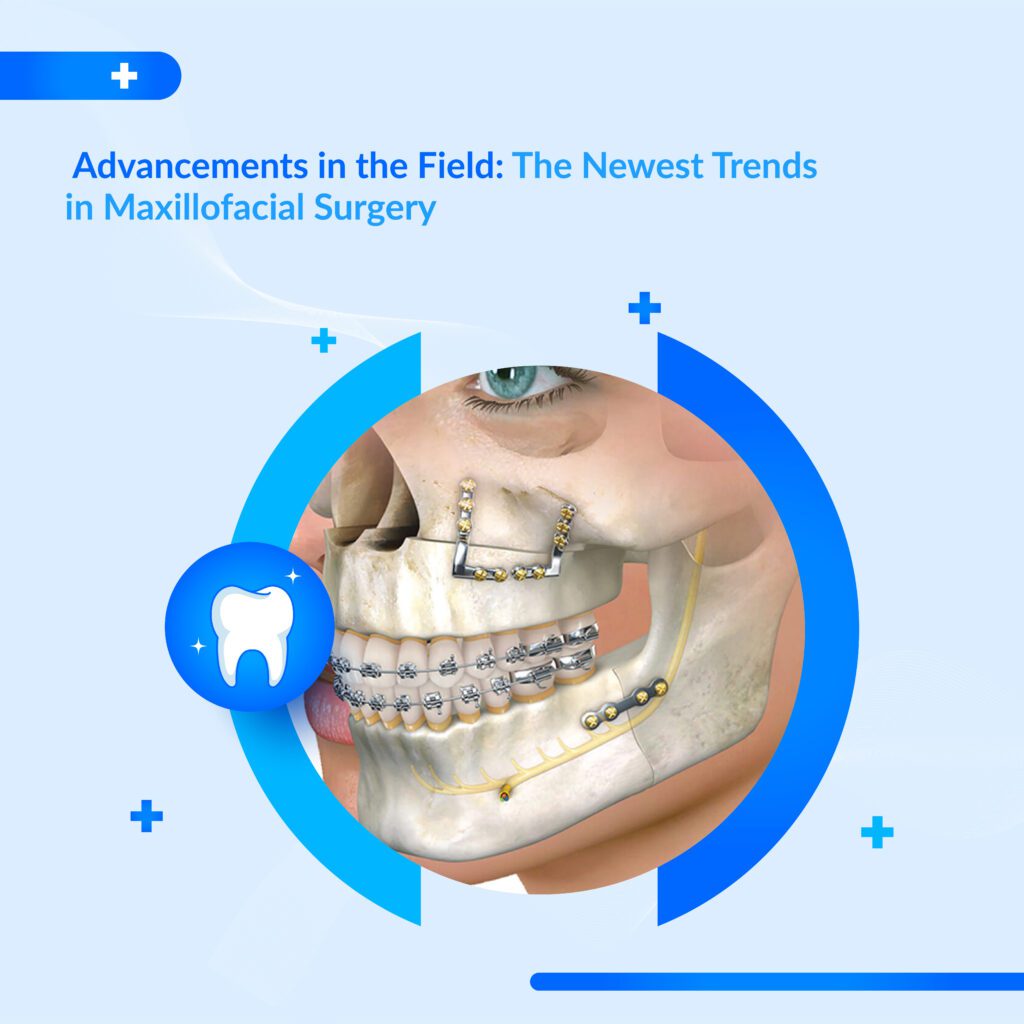
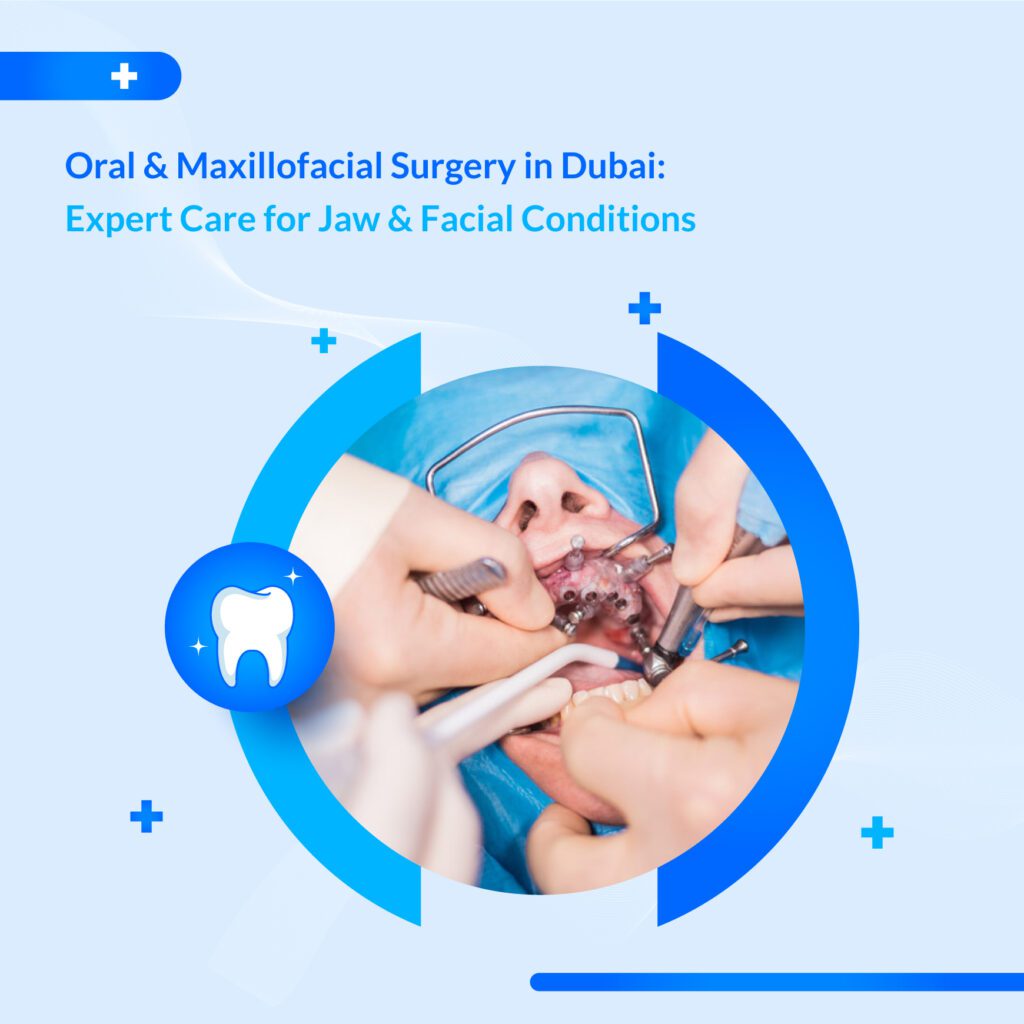
An oral and maxillofacial surgeon specialises in diagnosing and treating conditions affecting the mouth, jaws, face, and related structures.
Their training focuses on complex oral and facial anatomy.
Common treatments include:
- Complex wisdom tooth removal
- Dental implant surgery
- Jaw correction surgery
- Facial fracture treatment
- Temporomandibular joint disorders
- Oral cysts and selected tumours
- Cleft lip and palate treatment
- Facial reconstruction
The exact procedures depend on the surgeon’s training, experience, and professional licence.
What Is a Plastic Surgeon?
A plastic surgeon specialises in restoring, repairing, or changing the appearance and function of different body structures.
Plastic surgery includes both cosmetic and reconstructive treatment.
Cosmetic Procedures
These focus primarily on improving appearance.
Examples include:
- Facelifts
- Eyelid surgery
- Rhinoplasty
- Selected facial contouring procedures
- Scar revision
Reconstructive Procedures
These restore structures affected by injuries, medical conditions, or developmental differences.
Examples include:
- Facial wound reconstruction
- Burn reconstruction
- Cleft lip and palate repair
- Reconstruction following tumour removal
- Complex scar correction
Plastic surgeons can also receive additional training in craniofacial surgery.
Maxillofacial Surgeon vs Plastic Surgeon: Key Differences
The biggest distinction lies in the surgeon’s usual area of clinical focus.
| Factor | Maxillofacial Surgeon | Plastic Surgeon |
| Primary focus | Mouth, jaws, facial bones, related tissues | Reconstructive and cosmetic surgery across the body |
| Jaw alignment | Common area of specialist practice | Selected craniofacial specialists also treat it |
| Dental implants | Common area of practice | Not generally a routine plastic surgery procedure |
| Facial fractures | Common area of practice | Also treated by appropriately trained plastic surgeons |
| Facial cosmetic surgery | Offered by suitably trained specialists | Major area of practice for many surgeons |
| Cleft treatment | Part of selected specialists’ practice | Part of selected specialists’ practice |
| TMJ disorders | Common area of specialist assessment | Not generally a routine area of practice |
Neither speciality is universally superior.
The appropriate surgeon depends on the condition and individual expertise.
What Is Maxillofacial Plastic Surgery?
The term maxillofacial plastic surgery generally refers to reconstructive or aesthetic procedures involving facial structures.
However, it is not necessarily a separate, formally recognised speciality.
Patients may use this phrase when researching:
- Facial reconstruction
- Jaw correction
- Facial bone injuries
- Chin abnormalities
- Cleft-related surgery
- Facial asymmetry
The correct specialist depends on which structures require treatment.
A problem involving jawbone position and bite alignment differs from a procedure involving facial skin.
When Should You See a Maxillofacial Surgeon?
1. You Have Jaw Alignment Problems
Your upper and lower jaws may not align correctly.
This can affect:
- Chewing
- Speaking
- Biting
- Facial balance
- Certain breathing functions
Orthognathic surgery may help selected patients with significant skeletal discrepancies.
Treatment commonly involves collaboration with an orthodontist.
2. You Experience Persistent Jaw Joint Problems
The temporomandibular joint connects your lower jaw to your skull.
TMJ disorders can cause pain, clicking, locking, or restricted movement.
Most patients begin with non-surgical treatment.
Selected complex cases may require specialist procedures.
3. You Have a Facial Bone Fracture
Road accidents, sports injuries, and falls can damage facial bones.
A maxillofacial surgeon can assess fractures involving the jaw, cheekbones, or other facial structures.
Complex injuries may require a multidisciplinary surgical team.
4. You Need Complex Dental Implant Surgery
Some patients have significant bone loss or challenging jaw anatomy.
Advanced implant treatment may require:
- Bone grafting
- Sinus augmentation
- Complex implant positioning
- Full-arch rehabilitation
These procedures can benefit from specialist oral and maxillofacial surgical expertise.
5. You Have a Cleft-Related Jaw Problem
Cleft lip and palate can affect facial development, teeth, speech, and jaw growth.
Treatment often involves several specialists.
A maxillofacial surgeon may help address skeletal and dental concerns.
When Should You See a Plastic Surgeon?
1. You Want a Facelift
Facelift surgery focuses on selected age-related changes affecting facial tissues.
A suitably qualified plastic surgeon may assess your aesthetic concerns and treatment options.
2. You Have Concerns About Facial Scars
Plastic surgeons commonly assess scars resulting from injuries, surgery, or other conditions.
Treatment depends on the scar’s location, severity, and characteristics.
3. You Want Cosmetic Eyelid Surgery
Blepharoplasty addresses selected concerns involving eyelid skin and surrounding tissues.
Appropriately trained plastic or oculoplastic surgeons commonly perform these procedures.
4. You Need Complex Soft-Tissue Reconstruction
Injuries, burns, or tumour removal can create significant tissue defects.
Plastic surgeons use reconstructive techniques to restore coverage, function, and appearance.
5. You Are Considering Cosmetic Nose Surgery
Rhinoplasty changes the shape or structure of the nose.
Plastic surgeons and appropriately trained ENT or facial plastic surgeons may provide this treatment.
Can Both Specialists Treat Facial Injuries?
Yes.
Facial trauma represents an important area of overlap.
For example, an accident can cause:
- A fractured jaw
- Damaged teeth
- A broken cheekbone
- Deep facial wounds
- Soft-tissue injuries
A maxillofacial surgeon may focus on jaw position, facial bones, teeth, and bite alignment.
A plastic surgeon may contribute expertise in complex soft-tissue reconstruction.
However, both specialities can manage aspects of facial bone and soft-tissue injuries.
Complex cases often benefit from collaboration.
Facial Maxillofacial Surgery: Function and Appearance
Facial maxillofacial surgery frequently addresses both functional and aesthetic concerns.
Consider a patient with a significantly misaligned lower jaw.
The problem may affect chewing and facial balance.
Corrective jaw surgery aims to improve jaw relationships and function.
Changes in facial appearance may also occur as part of treatment.
This shows why function and appearance cannot always be considered separately.
A Simple Patient Example
Consider two patients seeking treatment in Dubai.
Patient A: Jaw Alignment Problem
The first patient struggles to bite comfortably because the upper and lower jaws do not align.
An oral and maxillofacial surgeon assesses the skeletal relationship and discusses possible treatment.
Orthodontic collaboration may also be necessary.
Patient B: Facial Ageing Concerns
The second patient wants to address loose facial skin and age-related changes.
A plastic surgeon with appropriate facial aesthetic experience may be a suitable choice.
Both patients have facial concerns.
However, their underlying problems require different expertise.
How to Choose the Right Facial Surgeon in Dubai
Choosing a surgeon requires more than looking at promotional photographs.
Consider these questions:
- What is the surgeon’s recognised speciality?
- Do they have relevant UAE professional licensing?
- How much experience do they have with my condition?
- What diagnostic tests are necessary?
- Are non-surgical options available?
- What risks and recovery requirements should I understand?
- Does my case require another specialist?
A detailed consultation should explain the diagnosis and realistic treatment expectations.
Searching for a Maxillofacial Plastic Surgeon Near Me?
Patients often search for maxillofacial plastic surgeon near me when experiencing facial problems.
However, this search phrase can refer to several different clinical needs.
Before booking, identify whether your concern primarily involves:
- Jawbones and bite
- Dental structures
- Facial skin
- Facial injuries
- Cosmetic appearance
- Reconstructive treatment
Then verify the surgeon’s qualifications and experience with that specific problem.
The nearest surgeon is not automatically the most appropriate specialist.
Why Consult Dr. Gagan Sabharwal?
Dr. Gagan Sabharwal is an Oral and Maxillofacial Surgeon with more than 20 years of experience.
His international training includes advanced education in oral implantology, cleft lip and palate, and temporomandibular joint procedures.
His practice in Dubai focuses on conditions involving the mouth, jaws, and facial structures.
Areas of care include:
- Dental implant surgery
- Jaw correction surgery
- TMJ disorders
- Facial trauma
- Cleft lip and palate
- Selected reconstructive procedures
For patients with complex jaw, dental, or facial concerns, specialist assessment helps clarify the underlying problem.
The aim is to recommend appropriate treatment based on diagnosis, function, and individual needs.
Conclusion
Understanding the maxillofacial surgeon vs plastic surgeon distinction helps patients choose the right professional for facial and jaw concerns.
Maxillofacial surgeons focus on the mouth, jaws, facial bones, and related structures.
Plastic surgeons provide cosmetic and reconstructive procedures involving the face and other parts of the body.
Both specialities contribute to facial trauma and reconstruction, and some complex cases require collaboration.
The right choice depends on your diagnosis, treatment goals, and the surgeon’s specific expertise.
If you experience jaw misalignment, persistent TMJ symptoms, complex dental problems, or facial injuries, specialist evaluation can help.
Book a consultation with Dr. Gagan Sabharwal in Dubai to understand your condition and explore suitable oral and maxillofacial treatment options.
The goal is not simply to change how your face looks, but to protect function, comfort, and long-term health.