Introduction
You have persistent jaw pain, an impacted wisdom tooth, or a missing tooth that needs replacing. Who should you consult?
A dentist, oral surgeon, or maxillofacial surgeon?
For many patients in Dubai, these titles sound similar. However, understanding their roles helps you choose the right professional.
The oral surgeon vs maxillofacial surgeon comparison is particularly confusing because both professionals can perform surgical procedures involving the mouth and jaws.
In many healthcare systems, oral and maxillofacial surgery is a combined speciality rather than two completely separate professions.
Meanwhile, a general dentist manages everyday dental health, including cavities, gum problems, and routine restorative treatments.
Patients also encounter terms such as maxillofacial dentist or dentist maxillofacial surgeon when searching online.
These terms can create additional confusion about qualifications and treatment options.
The right professional depends on your symptoms, diagnosis, and treatment complexity.
This guide explains the differences, common procedures, specialist qualifications, and situations where surgical expertise becomes important.
By the end, you can make a more informed decision about whom to consult.
What Does a General Dentist Do?
A general dentist is usually your first point of contact for oral health concerns.
Dentists diagnose, prevent, and treat common problems affecting teeth and gums.
Common Dental Treatments Include:
- Routine dental examinations
- Professional teeth cleaning
- Dental fillings
- Crowns and bridges
- Gum disease management
- Root canal treatment, where appropriate
- Simple tooth extractions
- Preventive dental care
A general dentist also identifies conditions that require specialist attention.
For example, a complicated wisdom tooth or jaw problem may require referral to a surgeon.

What Is an Oral Surgeon?
An oral surgeon focuses on surgical procedures involving the mouth, teeth, and surrounding structures.
Oral surgery commonly includes:
- Surgical tooth extractions
- Impacted wisdom tooth removal
- Dental implant placement
- Certain oral cyst procedures
- Minor oral tissue surgery
- Selected bone grafting procedures
The exact qualifications and permitted procedures depend on the surgeon’s training and local professional licence.
In some countries, oral surgery exists as a distinct speciality.
In others, these procedures fall within oral and maxillofacial surgery.
What Is a Maxillofacial Surgeon?
A maxillofacial surgeon specialises in surgical conditions affecting the mouth, jaws, face, and related structures.
This speciality covers a broader anatomical area than routine dental treatment.
An oral and maxillofacial specialist may manage conditions involving:
- Complex impacted teeth
- Jaw fractures
- Facial injuries
- Jaw deformities
- Temporomandibular joint disorders
- Complex dental implant surgery
- Cleft lip and palate
- Selected oral and facial pathology
- Reconstructive procedures
Not every maxillofacial surgeon performs every procedure.
Additional training, hospital privileges, and individual expertise determine their clinical practice.
Oral Surgeon vs Maxillofacial Surgeon: Key Differences
The biggest difference is not always the title.
It is the professional’s qualifications, scope of practice, and experience with your particular condition.
General Dentist
Primary focus: Everyday dental health and common oral conditions.
Typical treatments: Fillings, cleaning, crowns, gum care, and routine extractions.
Oral Surgeon
Primary focus: Surgical procedures involving the mouth and surrounding structures.
Typical treatments: Impacted teeth, surgical extractions, implants, and selected oral procedures.
Oral and Maxillofacial Surgeon
Primary focus: Surgical conditions involving the mouth, jaws, face, and associated structures.
Typical treatments: Complex oral surgery, facial trauma, jaw correction, reconstruction, and selected TMJ procedures.
Importantly, oral surgeon and oral and maxillofacial surgeon are often overlapping descriptions of the same speciality.
They should not automatically be treated as separate levels of qualification.
What Is Dental Maxillofacial Surgery?
Dental maxillofacial surgery is a term patients sometimes use when describing surgery involving the teeth, jaws, and facial structures.
The formal speciality is generally called oral and maxillofacial surgery.
It combines detailed knowledge of oral anatomy with advanced surgical assessment and treatment.
Procedures can range from removing an impacted wisdom tooth to correcting significant jaw abnormalities.
The complexity determines the required expertise and treatment setting.
When Should You Visit a General Dentist?
Start with a general dentist for most routine oral health concerns.
Examples include:
- Tooth sensitivity
- Dental cavities
- Routine check-ups
- Mild gum inflammation
- Broken fillings
- Regular dental cleaning
- Common restorative treatment
Your dentist can assess whether specialist referral is necessary.

7 Signs You May Need an Oral and Maxillofacial Surgeon
1. You Have a Complex Impacted Wisdom Tooth
Some wisdom teeth remain trapped beneath the gums or jawbone.
Their roots may lie close to important nerves.
Complex cases can benefit from specialist surgical assessment.
2. You Need Advanced Dental Implant Treatment
Dental implants replace missing teeth by supporting crowns, bridges, or dentures.
Complex cases may involve insufficient bone, previous implant complications, or challenging anatomy.
A surgeon with appropriate implant training can assess these requirements.
3. You Experience Persistent Jaw Joint Problems
The temporomandibular joint connects your lower jaw to your skull.
Problems can cause:
- Jaw pain
- Clicking
- Restricted movement
- Locking
- Difficulty chewing
Many TMJ conditions respond to non-surgical care.
Selected complex cases require specialist assessment and occasionally surgical treatment.
4. You Have a Jaw Injury
Facial trauma can affect the jawbone, teeth, bite, and surrounding structures.
Suspected fractures require prompt medical assessment.
5. Your Jaw Alignment Affects Daily Function
Significant jaw discrepancies can interfere with chewing, speaking, or biting comfortably.
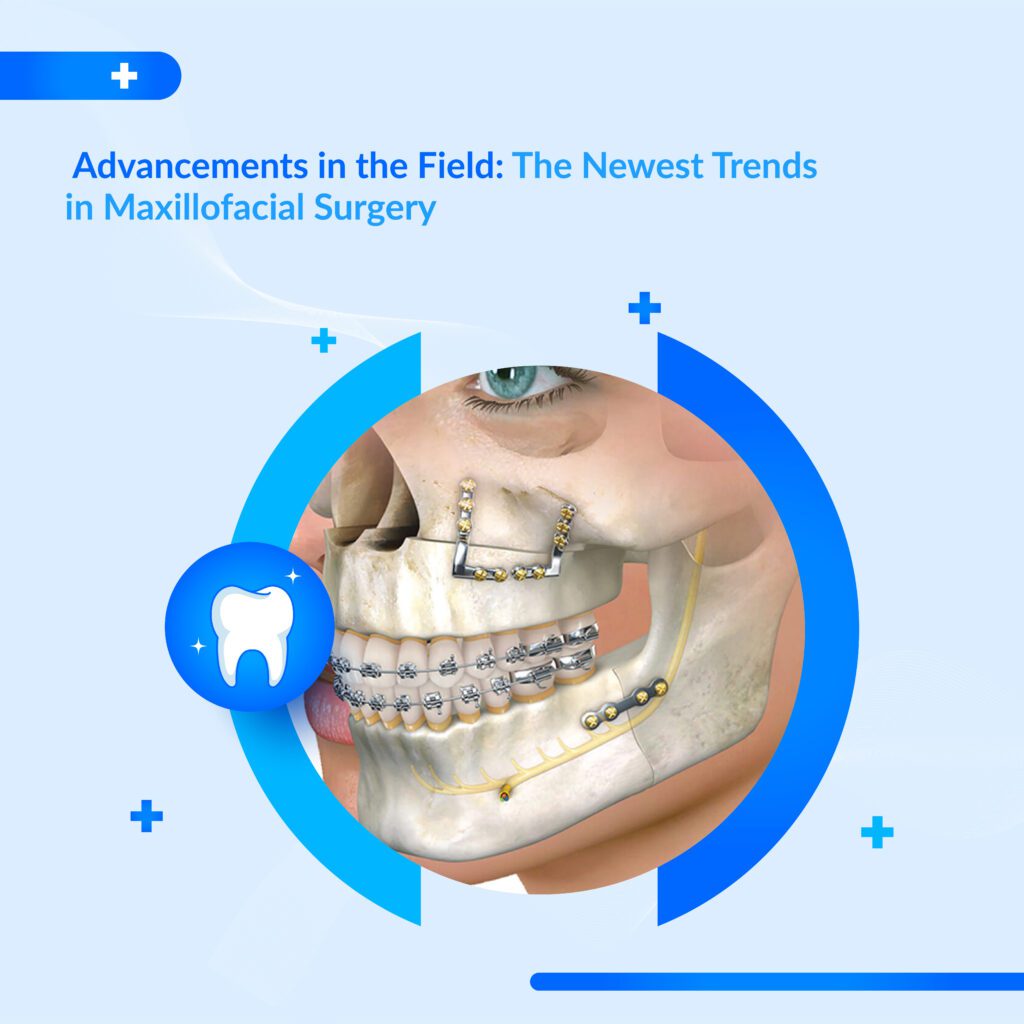
Orthognathic surgery may be considered for selected patients.
Treatment often involves collaboration between an orthodontist and a maxillofacial surgeon.
6. You Have a Cyst or Unusual Oral Growth
Persistent lumps, swelling, or abnormal tissue changes require professional evaluation.
Some conditions require biopsy or surgical management.
Not every lump is serious, but unexplained changes deserve attention.
7. You Need Complex Bone Grafting
Dental implants require suitable supporting bone.
Patients with significant bone loss may need additional procedures.
These can include bone grafting or sinus augmentation.
Why Does Choosing the Right Specialist Matter?
The appropriate professional helps ensure your condition receives the correct diagnosis and treatment.
This matters particularly when surgery involves:
- Important nerves
- Complex bone structures
- Jaw joints
- Facial anatomy
- Multiple treatment stages
Specialist care can also involve collaboration with general dentists, orthodontists, and other healthcare professionals.
The objective is coordinated treatment rather than unnecessary referrals or procedures.
How Do You Choose a Maxillofacial Surgeon in Dubai?
When searching for a maxillofacial surgeon dubai, consider more than online reviews or promotional claims.
Ask about:
- Professional qualifications and speciality training
- Relevant DHA or other applicable UAE licensing
- Experience treating your particular condition
- Available diagnostic imaging
- Treatment alternatives
- Surgical risks and recovery expectations
- Follow-up arrangements
A good consultation should explain both surgical and non-surgical options where appropriate.
A Simple Patient Example
Consider a patient experiencing recurring pain around a lower wisdom tooth.
A general dentist examines the area and recommends dental imaging.
The imaging reveals a deeply impacted tooth close to the lower jaw nerve.
The patient receives a referral for specialist surgical assessment.
The surgeon evaluates the tooth position, nerve relationship, symptoms, and treatment options.
This example shows how general dentistry and specialist surgery work together.
The dentist identifies the concern, while the surgeon assesses the complex surgical requirements.
Do You Always Need Surgery for Jaw Problems?
No.
This is particularly important for patients experiencing TMJ discomfort.
Many jaw joint problems respond to conservative management.
Treatment can include:
- Self-care advice
- Jaw exercises
- Physiotherapy
- Appropriate medication
- Bite appliances in selected cases
- Behavioural changes
Surgery is generally considered only when the diagnosis and clinical circumstances justify it.
Why Consult Dr. Gagan Sabharwal in Dubai?
Dr. Gagan Sabharwal is an Oral and Maxillofacial Surgeon with more than 20 years of experience.
His professional training includes international fellowships and advanced education in oral implantology, cleft lip and palate, and TMJ procedures.
His practice focuses on several areas of oral and maxillofacial care, including:
- Dental implant surgery
- Temporomandibular joint disorders
- Orthognathic jaw surgery
- Cleft lip and palate treatment
- Facial trauma and reconstructive procedures
For patients facing complex dental, jaw, or facial conditions, specialist assessment helps clarify the diagnosis and available treatments.
A consultation also helps determine whether surgery is appropriate or another treatment approach better suits the condition.
Conclusion
Understanding the oral surgeon vs maxillofacial surgeon distinction helps you choose appropriate care for your dental and facial health.
A general dentist manages routine oral health concerns and identifies problems requiring additional expertise.
Oral surgery focuses on surgical conditions involving the mouth, while oral and maxillofacial surgery also covers complex jaw and facial conditions.
In many healthcare systems, oral and maxillofacial surgery is one combined speciality.
The most important consideration is the clinician’s qualifications, experience, and suitability for your specific condition.
If you experience complex wisdom tooth problems, persistent jaw discomfort, facial injuries, or require advanced implant surgery, specialist assessment can help.
Book a consultation with Dr. Gagan Sabharwal in Dubai to understand your condition and explore appropriate treatment options for your oral, jaw, and facial health.