

Do you experience pain when you chew, yawn, or speak? Does your jaw click every time you open your mouth?
Many people across Dubai and the UAE experience these symptoms but assume they are for an interim period only. Unfortunately, jaw joint pain seldom improves without proper treatment.
The temporomandibular joint, commonly called the TMJ, is one of the hardest-working joints in the body. It helps you eat, talk, smile, and even breathe comfortably.
When this joint becomes inflamed, strained, or misaligned, everyday activities become painful. Over time, symptoms can become unbearable and affect your quality of life.
The good news is that most productive TM Joint Disorder Solutions UAE are available. Contemporary treatments can provide fast relief and help restore normal jaw function.
At Dr. Gagan Sabharwal’s clinic, patients receive expert diagnosis and treatment from a Specialized Oral and Facial Surgeon experienced in managing complex TMJ conditions.
In this blog, you’ll learn:
- What TMJ disorder is
- Common causes of jaw pain
- Symptoms you should never ignore
- Fast and effective treatment options
- When to seek specialist care
Understanding TMJ disorders early aids in prevention of long-term complications and speeds up recovery.
What Is TMJ Disorder?
The temporomandibular joint affixes your lower jaw to your skull.
This joint works every time you:
- Talk
- Eat
- Yawn
- Laugh
When the joint or surrounding muscles become irritated, TMJ disorder develops.
This condition can affect one or both sides of the face.
Why TMJ Problems Should Not Be Ignored
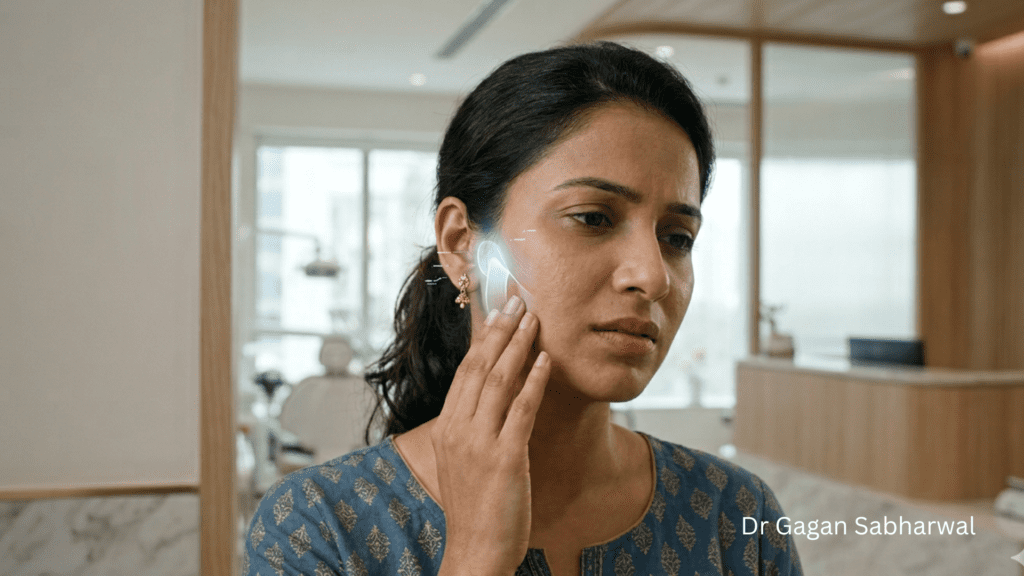
Many people neglect early symptoms because the pain comes and goes.
However, untreated TMJ disorders can lead to:
- Chronic jaw pain
- Frequent headaches
- Limited mouth opening
- Difficulty chewing
- Poor sleep quality
Early diagnosis usually leads to faster and simpler treatment.
Common Causes of TMJ Disorders
Several factors influence TMJ problems.
Teeth Grinding and Clenching
Many people grind their teeth during sleep without realizing it.
This creates extreme pressure on the jaw joint.
Stress
Stress often causes jaw muscle tension.
This ups the strain on the TMJ.
Jaw Injuries
Accidents and sports injuries can damage the joint.
Even smaller traumas may trigger symptoms.
Arthritis
Joint inflammation can affect the TMJ just like other body joints.
Bite Misalignment
Uneven bite patterns place extra pressure on some parts of the jaw.
Symptoms You Should Never Disregard
TMJ symptoms vary between patients.
Most Common Symptoms
- Jaw pain
- Facial pain
- Clicking sounds
- Popping noises
- Jaw locking
- Ear pain
- Neck discomfort
- Frequent headaches
Some patients also experience complications in opening their mouth fully.
Effective TMJ Disorder Treatments Sharjah & UAE
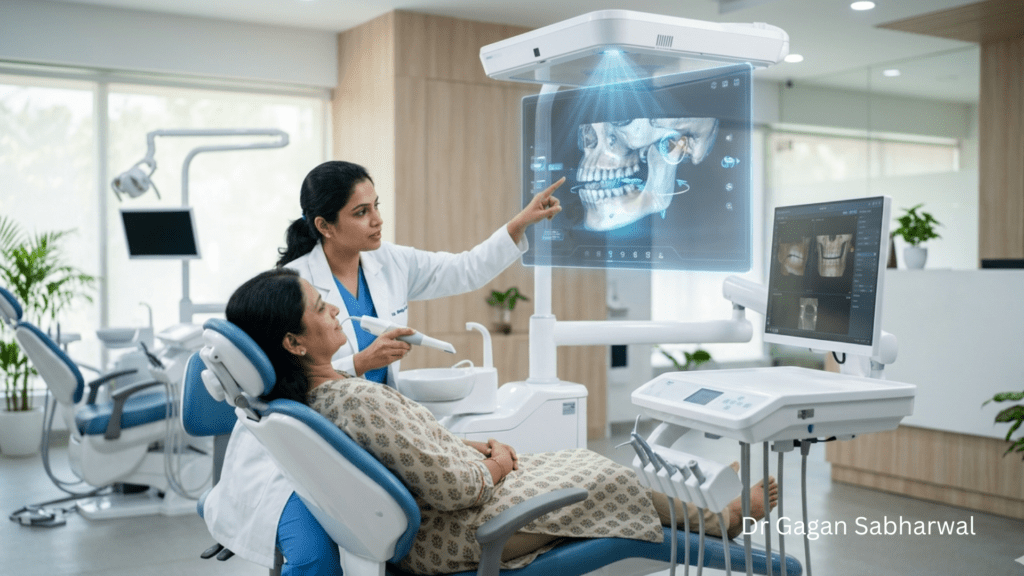
Modern treatment centres on reducing pain and restoring function.
1. Custom Oral Splints
Specialized appliances decrease pressure on the joint.
These are generally used for grinding-related problems.
2. Medication
Anti-inflammatory medications help control pain and swelling.
Muscle relaxants may also be recommended.
3. Physiotherapy
Targeted jaw exercises ameliorate mobility and reduce muscle tension.
4. Botox Therapy
Botox assists in relaxing overactive jaw muscles.
This treatment often provides rapid relief.
5. Advanced TMJ Procedures
Severe cases may require minimally invasive surgical treatment.
A Specialized Oral and Facial Surgeon determines whether this is necessary.
Benefits of Early TMJ Treatment
Seeking treatment early gives several advantages.
Quicker Pain Relief
Early intervention prevents symptoms from becoming chronic.
Better Jaw Function
Patients regain comfortable movement sooner.
Reduced Need for Surgery
Many cases are refined with non-surgical treatment.
Enhanced Quality of Life
Eating, sleeping, and speaking become easier.
Step-by-Step TMJ Diagnosis Process
At Dr. Gagan Sabharwal’s clinic, diagnosis follows a structured approach.
Step 1: Consultation
Symptoms and medical history are examined.
Step 2: Clinical Examination
Jaw movement and joint function are assessed.
Step 3: Imaging
Digital scans evaluate the joint in detail.
Step 4: Diagnosis
The underlying cause is identified.
Step 5: Personalized Treatment Plan
Treatment is tailored to your particular condition.
Patient Success Story
A Dubai professional from DIFC experienced jaw pain for nearly a year.
The symptoms gradually progressed to headaches and difficulty chewing.
After consultation and imaging, the issue was diagnosed as TMJ dysfunction caused by nighttime grinding.
Treatment included a custom splint and muscle therapy.
Within weeks, pain reduced significantly and jaw function improved.
Why Select Dr. Gagan Sabharwal?
Patients across Dubai and the UAE trust Dr. Gagan Sabharwal because of his expertise in facial and jaw disorders.
His approach combines:
- Advanced diagnostics
- Personalized treatment plans
- Modern TMJ therapies
- Long-term patient care
As a Specialized Oral and Facial Surgeon, he pivots on treating the root cause rather than masking symptoms.
Conclusion
Jaw pain should never be considered normal.
Persistent clicking, headaches, facial discomfort, or jaw stiffness often reveal an underlying TMJ disorder.
Fortunately, modern TM Joint Disorder Solutions UAE proffer fast and effective relief for most patients.
Early diagnosis leads to better outcomes, faster recovery, and upgraded quality of life.
If you are experiencing jaw pain or TMJ symptoms, don’t wait for the problem to worsen.

