
Many people believe that every wisdom tooth must be removed. Is that really true?
The short answer is no, that’s a myth. Not every wisdom tooth causes problems or requires surgery. Some wisdom teeth grow normally, function well, and remain healthy for life.
However, others become trapped beneath the gums, grow at the wrong angle, or damage nearby teeth. These cases often require treatment from an experienced Oral Surgeon Dubai.
The challenge is that wisdom teeth do not always cause symptoms instantly. A tooth may appear harmless while silently damaging surrounding bone or neighbouring teeth.
This is why regular dental examinations and X-rays are important.
At Dr. Gagan Sabharwal’s clinic, every patient receives a personalised evaluation before recommending Wisdom Tooth Surgery Dubai. Treatment is only advised when it provides clear and precise long-term benefits.
In this blog, you’ll learn:
- Whether all wisdom teeth need removal
- When surgery is recommended
- Warning signs to watch for
- What happens during treatment
- How an oral surgeon decides the best approach
Understanding the facts helps you avoid unnecessary treatment while protecting your oral health.
What Are Wisdom Teeth?
Wisdom teeth are the last permanent teeth to develop.
They usually appear between the ages of 17 and 25.
Most adults have:
- Four wisdom teeth
- One in each corner of the mouth
Some people biologically have fewer.
Others never develop wisdom teeth at all.
Do All Wisdom Teeth Need Removal?
No.
Healthy wisdom teeth can remain in place if they:
- Erupt completely
- Function normally
- Stay clean
- Do not damage nearby teeth
Routine monitoring is often all that is needed.
Removal is recommended only when problems develop or are likely to happen.
When Is Wisdom Tooth Removal Recommended?
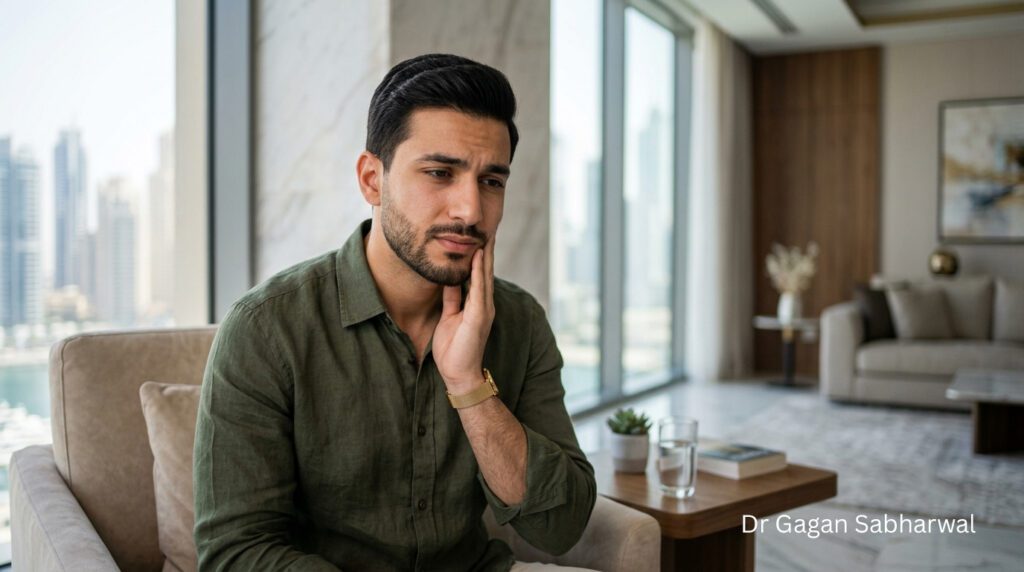
An Oral Surgeon Dubai may recommend surgery under several circumstances.
1. Impacted Wisdom Teeth
The tooth becomes trapped beneath the gums or jawbone.
Impacted Wisdom Teeth Dubai often cause:
- Pain
- Swelling
- Infection
These teeth rarely get better without treatment.
2. Repeated Infections
Partially erupted wisdom teeth trap food and bacteria.
This increases the peril of recurring gum infections.
3. Damage to Nearby Teeth
A sideways-growing wisdom tooth can push against neighbouring teeth.
This may lead to:
- Tooth damage
- Decay
- Bone loss
4. Cysts or Other Changes
Occasionally, impacted wisdom teeth are associated with cyst formation.
Early treatment helps avert complications.
5. Crowding Concerns
In a few select patients, wisdom teeth may contribute to crowding.
Your surgeon evaluates whether removal is beneficial.
Signs You Should See an Oral Surgeon
Do not ignore these symptoms.
Seek professional advice if you experience:
- Jaw pain
- Swollen gums
- Bad taste in the mouth
- Difficulty opening your mouth
- Repeated infections
- Pain while chewing
Early assessment always aids and simplifies treatment.
What Happens During Wisdom Tooth Surgery?
Many patients worry about the procedure.
Modern Wisdom Tooth Surgery Dubai is secure and carefully planned.
Step 1: Consultation
Your symptoms and medical history are reviewed.
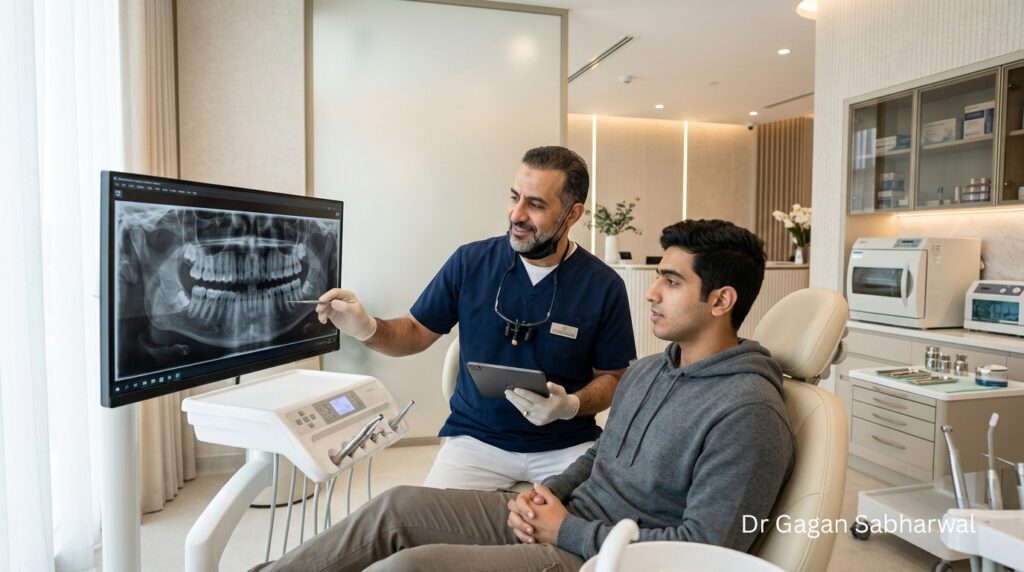
Step 2: Digital Imaging
X-rays or CBCT scans reveal the exact tooth position.
Step 3: Treatment Planning
The surgeon explains whether removal is necessary.
Step 4: Surgery
The tooth is removed employing gentle surgical techniques.
Local anesthesia keeps you comfortable.
Step 5: Recovery
Most patients recover within several days.
Detailed aftercare instructions boost healing.
Benefits of Timely Wisdom Tooth Removal
Removing problematic wisdom teeth early proffers several advantages.
Benefits Include
- Relief from pain
- Lower infection risk
- Protection of neighbouring teeth
- Easier recovery
- Prevention of future complications
Early treatment is often simpler than delayed surgery.
Patient Success Story
A young professional from Karama, Dubai experienced occasional jaw discomfort but delayed treatment.
A routine examination revealed Impacted Wisdom Teeth Dubai pressing against the neighbouring molar.
Dr. Gagan Sabharwal recommended timely surgery.
The tooth was removed successfully before permanent damage occurred.
Recovery was smooth, and the patient returned to work within a few days.
Interesting Fact
Research shows that younger patients often recover faster after wisdom tooth removal because bone is generally less dense and healing is more efficient.
This is one reason dentists recommend evaluating wisdom teeth early, even when they are not causing too many alarming symptoms.
Why Select Dr. Gagan Sabharwal?
Dr. Gagan Sabharwal is an experienced oral and maxillofacial surgeon providing advanced Wisdom Tooth Removal UAE.
Patients choose his clinic because of:
- Extensive surgical expertise
- Advanced digital imaging
- Gentle surgical techniques
- Personalized treatment plans
- Comprehensive aftercare
Every patient receives an independent assessment rather than a one-size-fits-all recommendation.
Conclusion
Not every wisdom tooth needs to be removed.
Healthy wisdom teeth can often remain in place with consistent monitoring.
However, Impacted Wisdom Teeth Dubai, repeated infections, pain, or damage to nearby teeth usually require treatment.
An experienced Oral Surgeon Dubai can determine the safest and most appropriate option based on your individual needs.
If you are unsure whether your wisdom teeth require attention, do not wait until pain develops.
Book a consultation with Dr. Gagan Sabharwal today for an expert evaluation and personalised advice on Wisdom Tooth Surgery Dubai and Wisdom Tooth Removal UAE.

